About Hilary Dancing, Holistic Therapist and Coach
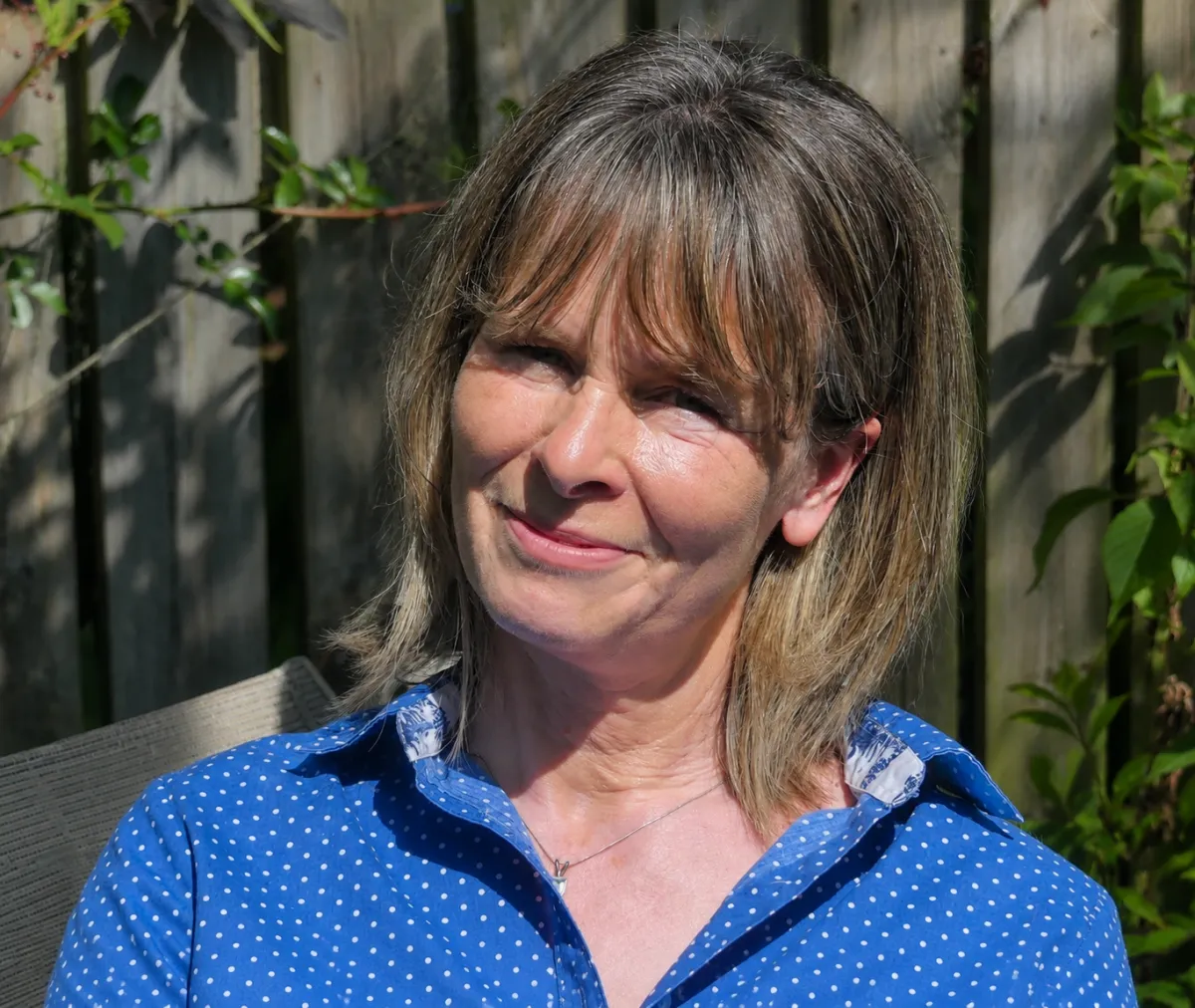
I'm Hilary, a holistic therapist and coach based in Morpeth, Northumberland.
My work brings together nearly 15 years' experience of kinesiology and energy healing, coaching, and a lifetime of learning about people.
My own journey into holistic therapy began with my experience of debilitating anxiety and the growing realisation that understanding something intellectually isn't always enough to change it.
Since then, I've explored the relationship between body, mind and wellbeing with curiosity, an open mind and a healthy dose of scepticism. My background in education, governance and coaching has given me a deep respect for complexity — and for each person's capacity to find their own way forward.
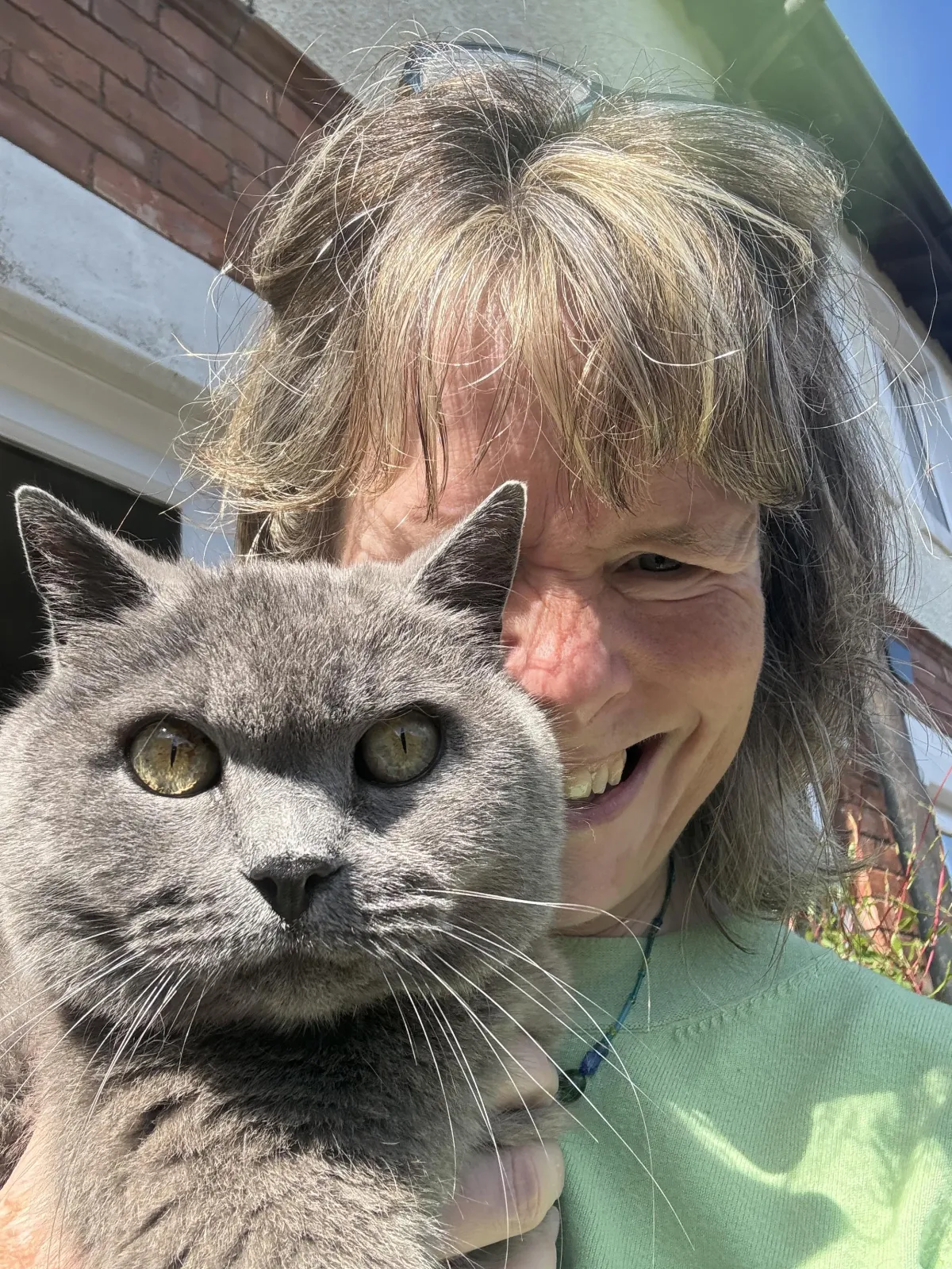
Beyond work, I'm the mother of twin girls (now all grown up) and a lover of the outdoors. I like nothing more than an afternoon on a Northumberland beach with a thermos flask of coffee. I'm also (rather against my will) a bit soppy about my two British Blue Cats.
My journey into holistic therapy and coaching
I discovered kinesiology in 2010, when I (literally!) bumped into a practitioner at a friend's party.
At the time, I was struggling with anxiety. I'd had an angry phone call from the parent of one of my pupils late on Friday afternoon, asking to come in and see me on Monday morning. I spent the weekend dreading it.
At the party, the practitioner offered to do a process with me. I didn't really understand what she was doing. It was physical rather than something I could think my way through, and very much outside my comfort zone. But afterwards I felt strangely light-headed and light-hearted.
When I got home, my husband's first words were: “What happened to you? You look great!” And I hadn't told him what had happened.
I was intrigued. I was also sceptical. So I started training in kinesiology in 2011, initially because I wanted to understand what had happened to me. Before long, I was fascinated by what I was discovering and eventually qualified in 2012. I continued as a teacher while gradually building my private practice.
I found energy healing in a similarly unexpected way.
I kept coming across the work of Barbara Brennan and eventually found myself exploring her approach. It was another step beyond my comfort zone, but it had a similar impact on me and I couldn't ignore the results I experienced. This opened up a whole new area of learning for me. I've continued to explore, learn and question ever since.
More recently, I added coaching to my work.
I wanted to find ways to help people become more proactive in their own wellbeing, rather than simply addressing problems once they had become established.
Over the years, I've noticed how often the same patterns show up again and again: people-pleasing, difficulty setting boundaries, anxiety, constantly putting yourself last, or simply pushing through when something doesn't feel right. These patterns can become so familiar that we stop noticing them, But. over time, they can affect both our mental and physical wellbeing.
What brings my different strands of work together is my interest in the way complex factors weave together in our lives to create the problem we bring to a therapeutic or coaching session.
My background in education, the world of governance, therapy and coaching has given me different ways of looking at people and the systems around them. However, my starting point is always curiosity: what is really going on here, and what might help?
I'm still learning, and I expect I always will be.
Why choose to work with me?
There are lots of therapists and practitioners out there. The right person for you isn’t necessarily the person with the longest list of qualifications. It’s the person whose way of working makes sense to you, and with whom you feel you can work.
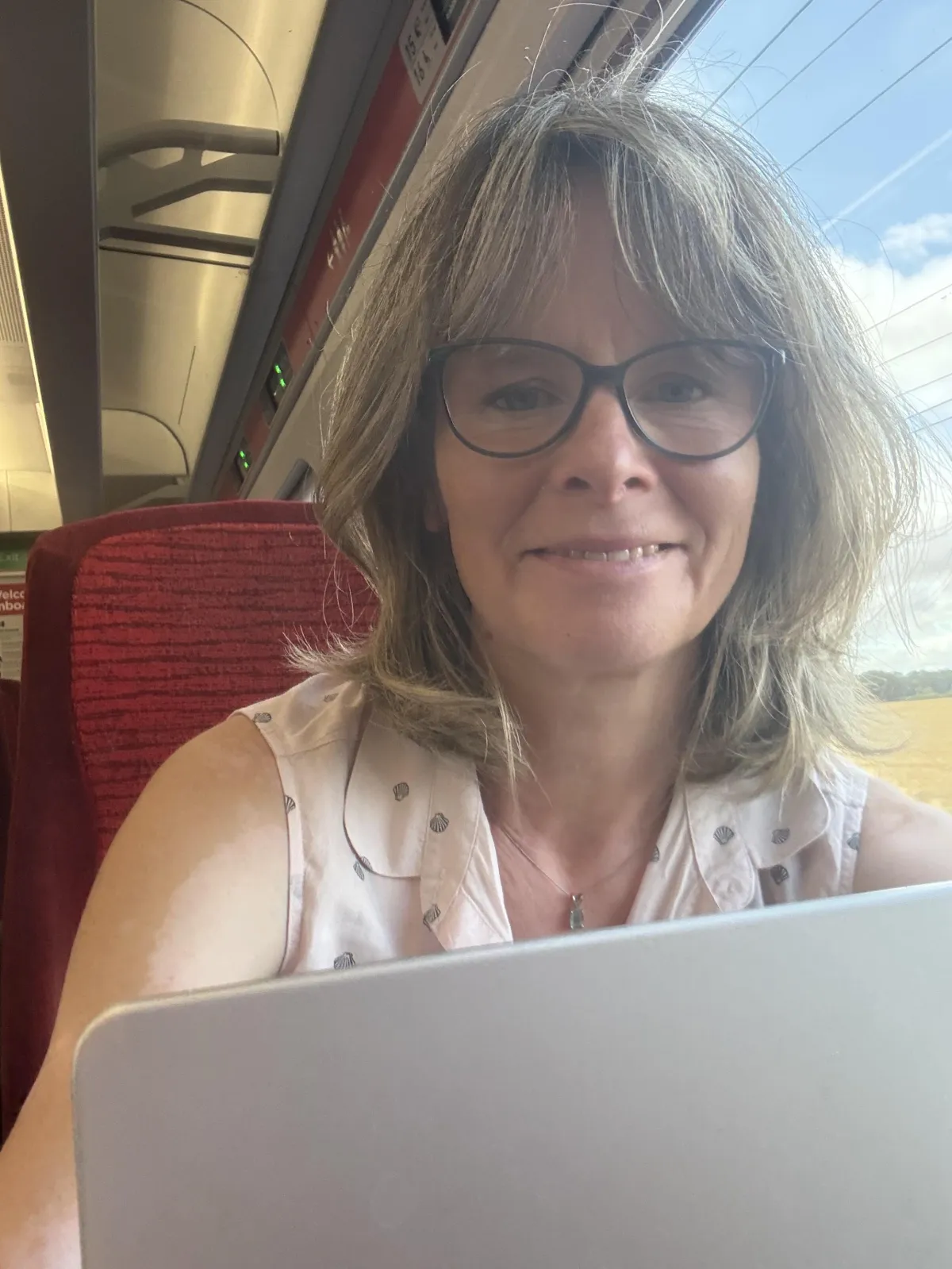
I understand the pressures of real life
I’ve experienced the cumulative effects of stress from different directions. I was a teacher for 20 years. Once I also had my own children, it felt almost impossible switch off.
Later, working in a desk-based, online role in the governance sphere, I found it extremely tricky to juggle work and home, boundaries and responsibilities.
I know that stress doesn’t stay neatly in your head. It can affect your body, your energy, your sleep, your posture and the way you feel about yourself.
I also know it's self-defeating to expect ourselves to do unrealistic things. Whatever we explore has to fit into your actual life. Self-care shouldn’t become another item on your to-do list — or another reason to feel guilty when you don’t manage it.
I'm an open-minded sceptic
My first experience of kinesiology was actually well outside my comfort zone. I wasn’t a believer. In fact, the results were rather inconvenient: something had clearly shifted, whether or not I understood.
That experience changed the way I think about holistic therapy. I don’t expect you to believe in anything. I’m interested in what you can actually experience for yourself.
I’m an Oxford graduate, although I don’t usually make much of it. But it did give me a habit of questioning, investigating and looking for evidence.
Over the years I’ve also learned to be comfortable with the fact that our current scientific understanding doesn’t explain everything we experience. For me, that means being curious, critical and open-minded.
I like change that you can feel
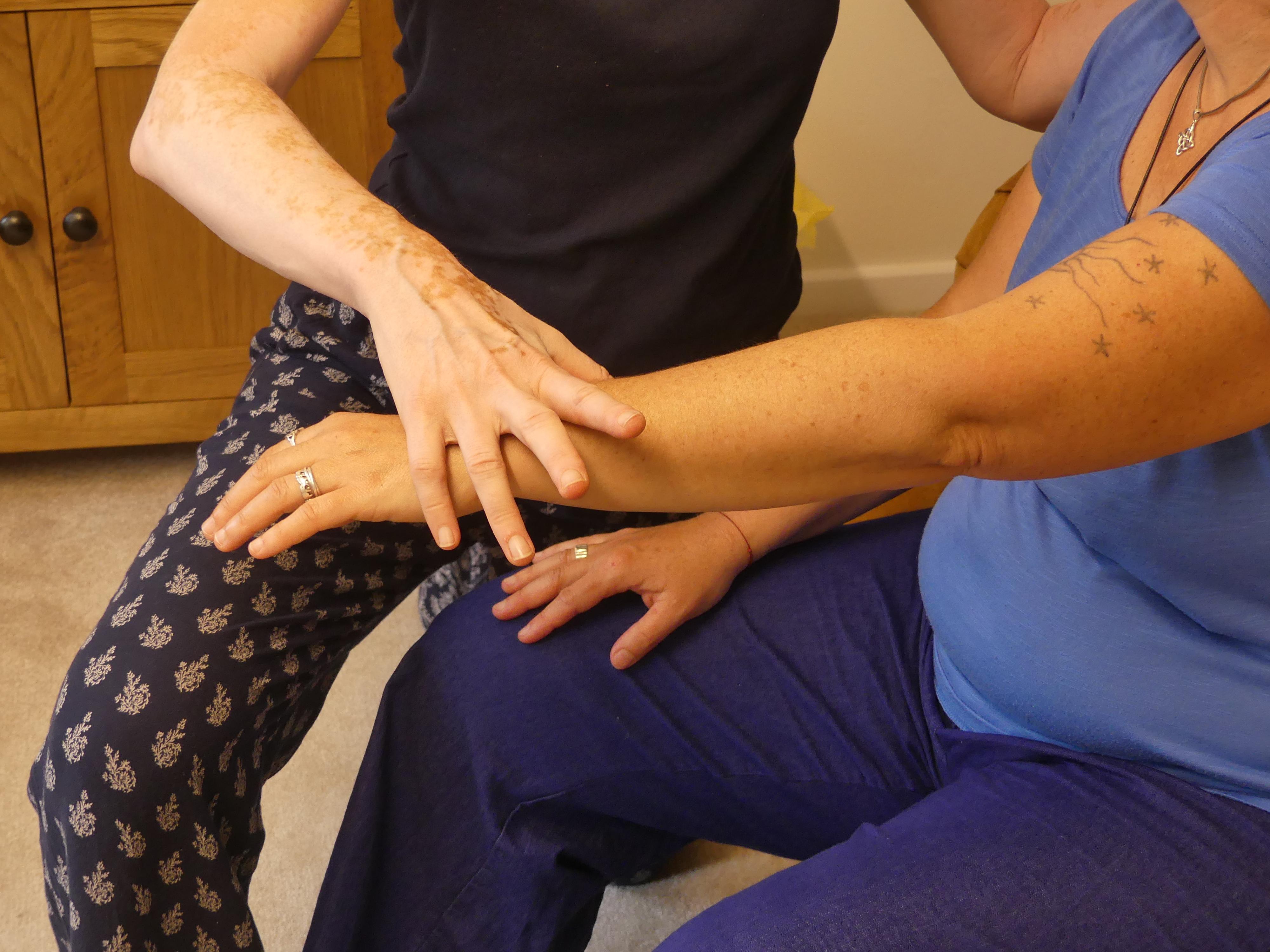
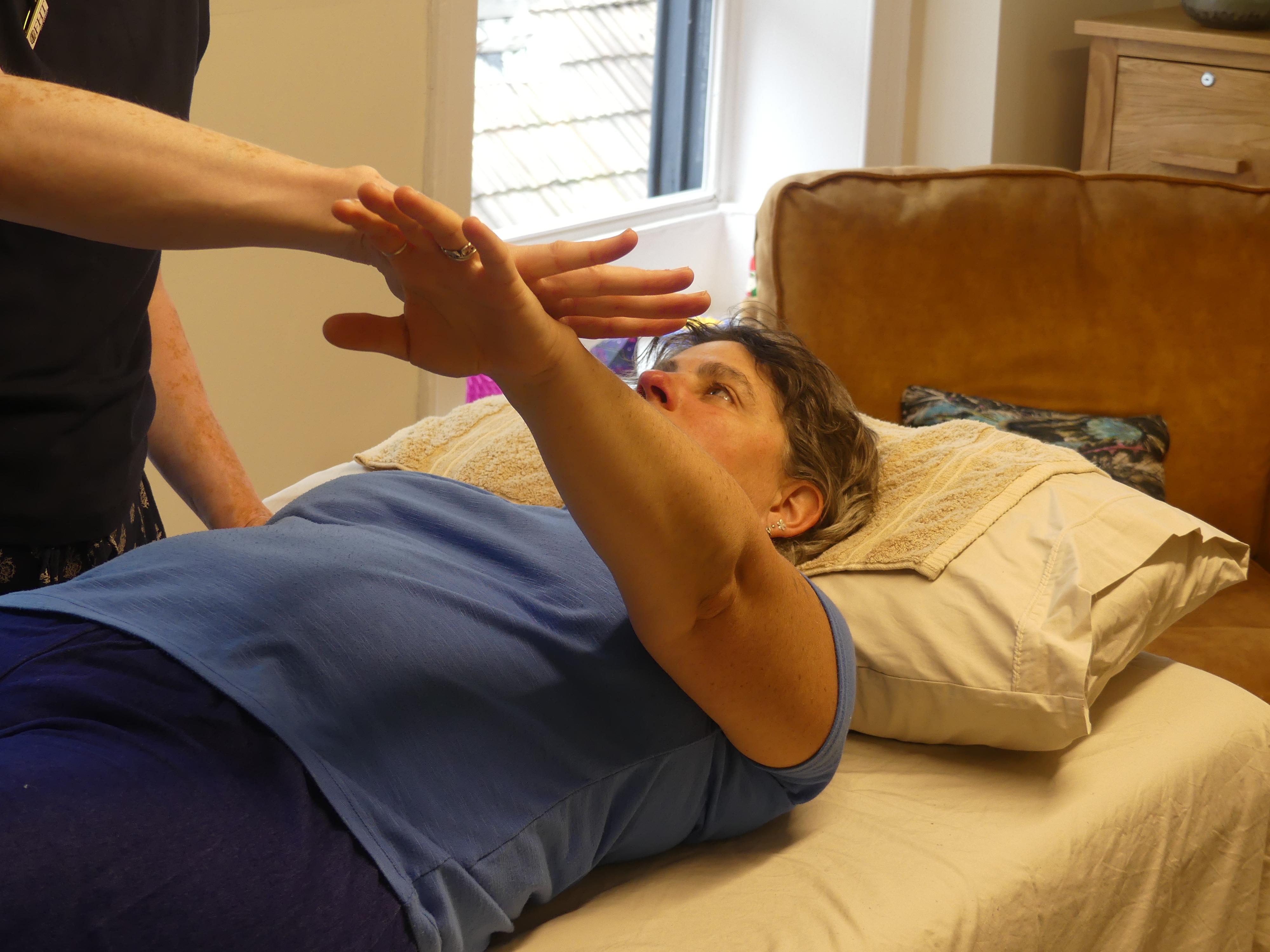
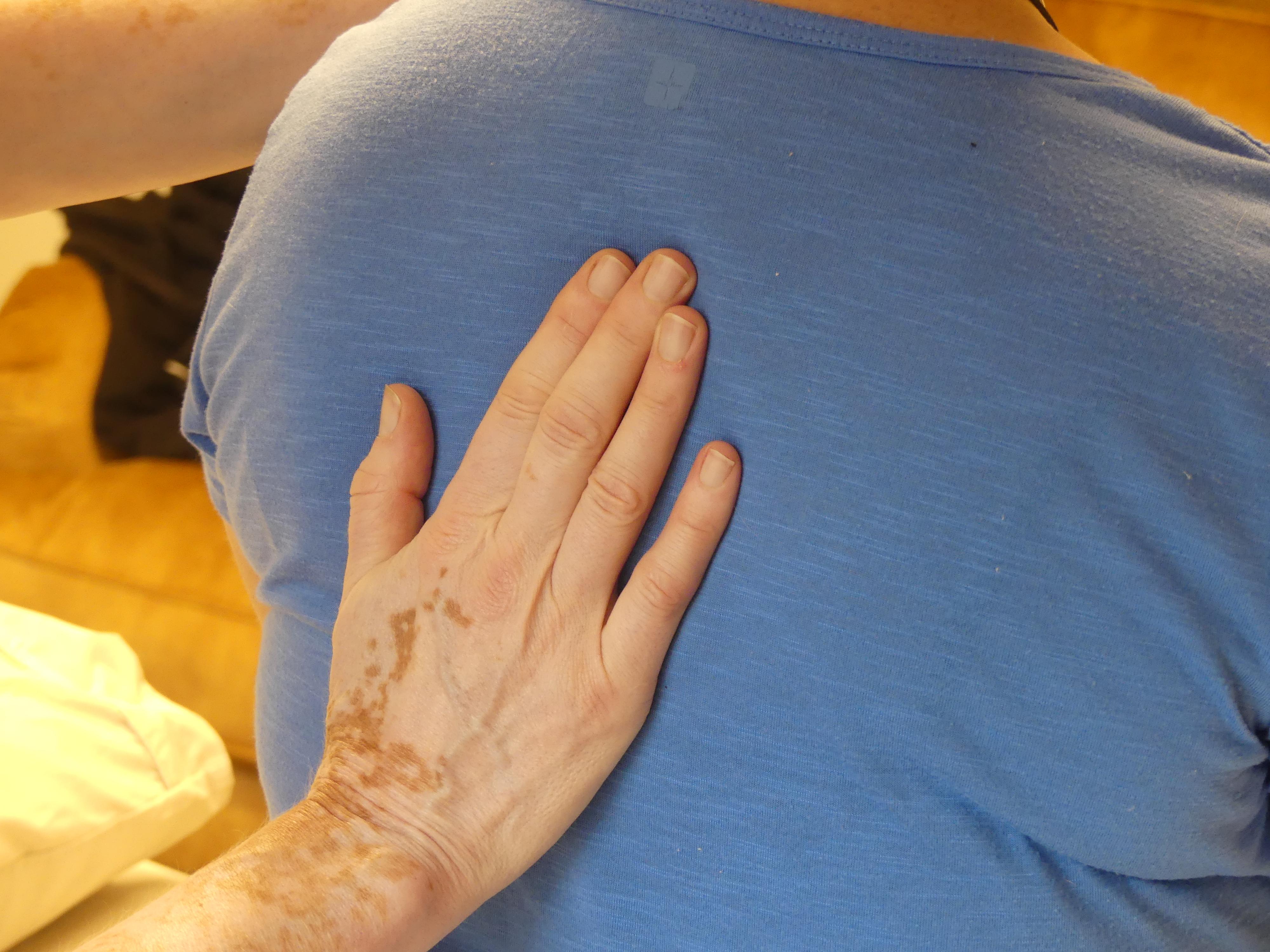
Whatever approach we use, I will often look for a physical way to demonstrate that something has shifted — perhaps in movement, balance, tension or posture.
This can be particularly helpful when the change itself is subtle. Having something tangible to notice can help your brain recognise and process what your body is already experiencing.
And yes, if you hate the idea of "having your back cracked" as happens in some therapeutic treatments, you’re probably going to like me! You'll have physical evidence that something has happened in your body, without the shock of a sudden crack.
I trust the process
I’ve learned that change doesn’t always happen all at once. Sometimes your body and mind need to let go progressively, one layer at a time, and the place we need to start isn’t necessarily where we expected.
That means I don’t want to force you into a pre-prescribed treatment plan. I want us to pay attention to what your body is telling us and find the approach that is right for you, at the pace that allows your system to feel safe enough to change.
Sometimes that takes patience. Sometimes it takes a bit of ingenuity. And sometimes it takes building trust — in me, in the process and, ultimately, in yourself.
I understand what it's like to have a sensitive system
For some people, the world simply comes at them more intensely. They notice more, feel more and can become overwhelmed more easily.
This can be particularly relevant for highly sensitive and neurodivergent people.
I understand how important it can be to work gently with a system that is already doing a lot of work to keep you safe.
Slower doesn’t necessarily mean less effective. Sometimes going more gently is what allows you to make much more progress in the long run.
I'm a coach as well as a therapist
That matters because my aim isn’t to make you dependent on me. I want to help you understand yourself better, recognise what your body and mind are telling you, and develop your own capacity to respond.
Sometimes you need a bit of TLC and a regular MOT can be enormously helpful. But ideally, that becomes part of your understanding of what keeps you well, and your ability to recognise when you need a little extra support.
I don’t have all the answers. You are the expert on you. My job is to bring my experience, curiosity and different ways of looking at things, and work alongside you to discover what helps you feel more like yourself.
Training and background
Kinesiology
I first qualified in Touch for Health Kinesiology in 2012 and was awarded Proficiency in 2014. There are many varieties of kinesiology, but they all involve testing muscles to obtain feedback from the body about where it is holding stress.
I am fully DBS checked and a member of the FHT (Federation of Holistic Therapists).
Professional Coaching
In 2025 I completed Professional Coaching Training with Coaching Development. Coaching recognises that people often have a sense of what is right for them, but feel overwhelmed or unsure how to move forward.
Alongside the body-based work, coaching can help you identify what's blocking your progress and take steps that feel realistic and aligned with who you are.
Energetic Cellular Healing
I am trained in Energetic Cellular Healing (2015-16 with Tjitze de Jong). This work acknowledges that we can unconsciously carry the effects of past experiences and emotions.
Gently working with these deeper patterns can help the body let go of what it no longer needs to hold, allowing a greater sense of ease and balance to emerge.
Education & pastoral care experience
I began life as a teacher of English in secondary schools. Very early, I became curious about the different ways people learn, and the impact external factors such as emotional wellbeing have on learning. This continues to shape my understanding of how people develop, adapt and change.
Ongoing learning
I regularly undertake accredited training (including with NICABM) and undertake my own research into trauma, anxiety and nervous system regulation. I attend regular supervision and participate in peer support activities that promote shared learning
Neurodiversity and hypersensitivity
I have a lifelong interest in adapting support to embrace different ways of thinking, processing and relating. Currently I am completing Neurodiversity Coach Certification.
I also bring lived experience of neurodiversity and hyper-sensitivity within my own family.
What it's like to work with me
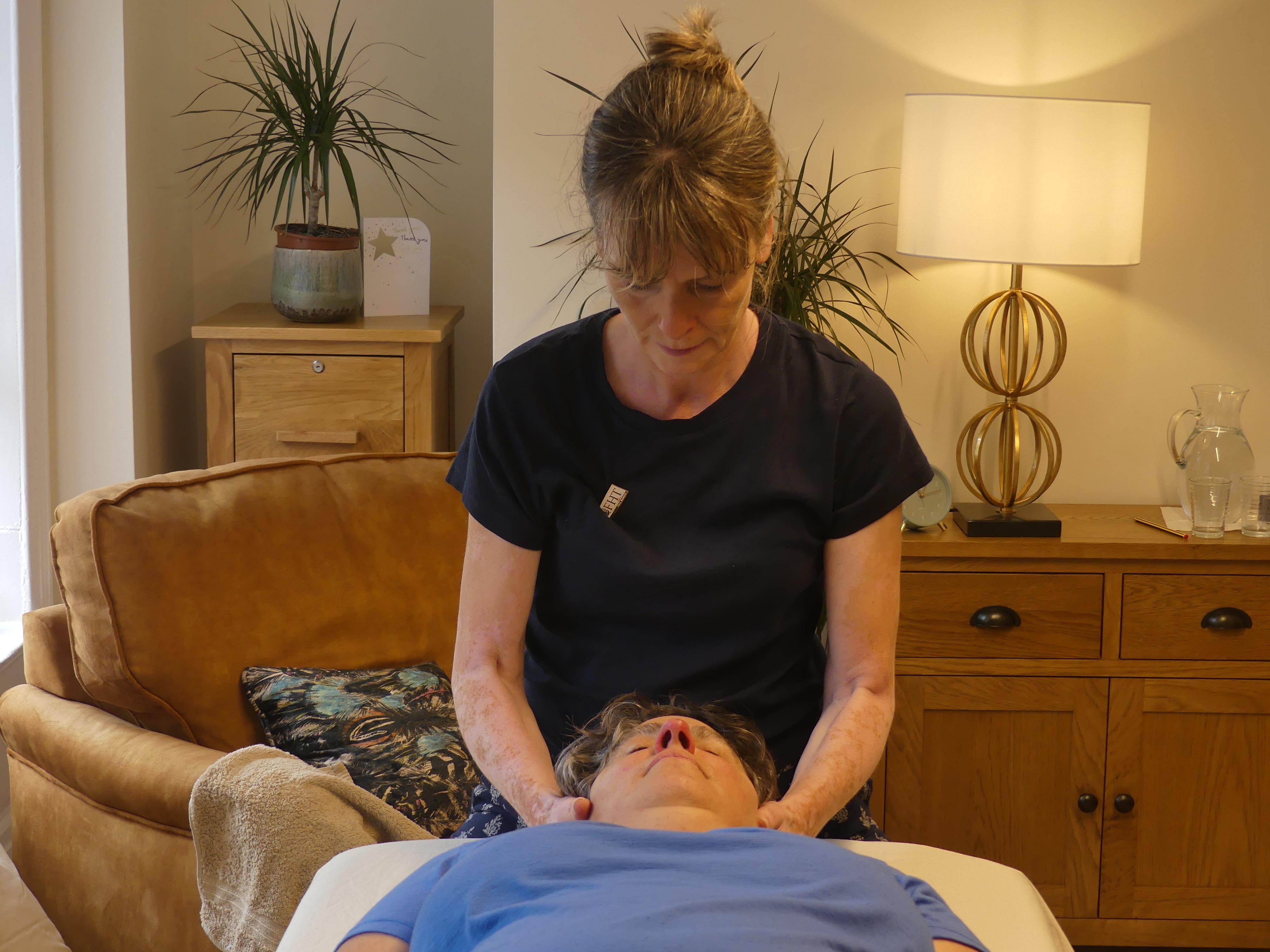
Everything I do is guided by a few simple principles:
Gentle rather than forceful
Working with the body’s own intelligence rather than trying to override it
Curious rather than prescriptive
Your experience, insight and feedback are an important part of the process.
Whole-person focused
Looking beyond individual symptoms to understand the wider picture.
Practical and grounded
Supporting meaningful changes that make everyday life easier, calmer and more comfortable.
Building resilience
Helping you become more connected to your own body, rather than dependent on someone else’s expertise.
What my clients say about working with me
This was the most practical coaching session I’ve had. Absolutely ideal for someone like me with loads of ideas and a mind racing at a hundred miles an hour. I’ve come away with a practical action plan for the next few weeks. Hilary is very thought-provoking, hugely knowledgeable and very inspiring.
My body relaxed more deeply than it has in a long time and I could feel myself letting go of long-held tension. I left feeling calmer, looser, and more at ease. I would happily recommend Hilary to anyone struggling with persistent pain, tension, or stress.
I felt safe enough to explore things I don’t often put into words. I came away with new perspectives on how my body responds to stress and the world around me. I’d recommend her to anyone who feels highly sensitive, easily overwhelmed, or curious about understanding themselves more deeply.